CALL TODAY for FREE In home consultation
SEND EMAIL
1995 East Norse Avenue
Cudahy, Wisconsin 53110
414-727-2524
4445 W Forest Home Avenue
Milwaukee, Wisconsin 53219
414-727-2525
2140 American Drive
Neenah, Wisconsin 54956
920-257-6060
65 Copeland Avenue
La Crosse, Wisconsin 54603
608-784-9980
Choosing medical lift chairs in 2026 requires more than comparing prices, fabrics, and motor counts. The right chair should support safer sitting, standing, and resting at home. It should also fit the person, the room, and the daily routine. Dr. Joseph G. Ouslander, a respected geriatrician and long-term-care expert, has said, “Function is the sixth vital sign.” That principle matters here. A lift chair is not merely furniture. It can influence transfers, confidence, comfort, and independence.
This guide examines practical details that product pages often hide. Measure the user’s height, hip width, leg length, and preferred sitting depth. Check whether the footrest supports the heels without pressing behind the knees. Study the lifting path. A chair that tilts too far forward may feel unstable. Also inspect the chair’s weight capacity, motor warranty, emergency battery option, and return policy. Small details matter. So does noise.
Room layout deserves equal attention. Leave clear space behind and beside the chair. Keep cables away from walking paths. Ask a physical therapist or occupational therapist to review the setup when balance problems, recent surgery, or serious weakness are involved. Medical lift chairs may improve transfers, but they cannot correct every mobility risk. No checklist catches every home reality. A fabric sample cannot reveal heat buildup after an hour. A showroom test cannot reproduce a narrow hallway. Use this guide as a careful starting point, not a final medical decision.
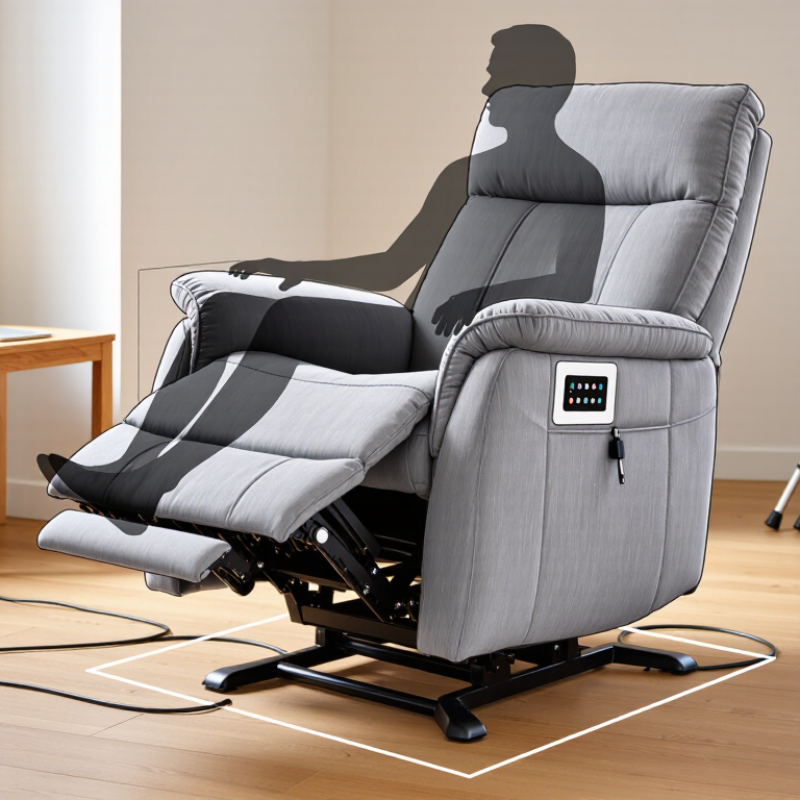
Medical lift chairs are powered recliners that help a seated person rise gradually to standing. A hand control usually adjusts the backrest and footrest, then tilts the chair forward to make standing easier. They are not a substitute for clinical care or a guarantee against falls. Fit matters: the seat should support the user’s feet, and the lift motion should feel steady rather than abrupt.
These chairs may help older adults and people with limited strength, balance, or mobility, including those recovering from illness or surgery. A caregiver may also benefit when helping someone move between sitting and standing. Needs differ, though. Someone with painful knees may need a different seat height than someone with a narrow doorway or limited space beside the chair. Ask a qualified health professional or occupational therapist to assess transfer needs, posture, and safe use. Small details matter.
Tips: Measure the user’s seated height and the room’s clear space before choosing. Check that controls are easy to reach and understand. Try the chair with the person who will use it, if possible; a model that looks suitable on paper can still feel awkward. Keep the path around it clear, and review the manual with the user and caregiver.
How to Choose Medical Lift Chairs in 2026?
How to Assess Mobility, Posture, and Care Requirements
Start by observing how the person moves through a normal day. Can they shift forward, place both feet flat, and stand with help? Note painful joints, weak grip, dizziness, or fatigue. A lift chair should support safe transfers, but it cannot replace an individualized assessment. A physical or occupational therapist can help match seat height, depth, and lift motion to the person’s abilities.
Posture matters during long periods of sitting. The backrest should support the lower back, while the seat should leave a small gap behind the knees. Check that the person’s feet rest comfortably and that the armrests provide stable support. Consider whether caregivers need room to assist with dressing, transfers, or repositioning. Measurements taken at home are useful, though people sometimes slump differently once tired. Recheck the fit after a real sitting session.
Tips: Measure the user’s height, hip width, and lower-leg length before comparing chair dimensions. Ask the clinician about safe transfer techniques and any position limits. Keep controls within easy reach, and test them with the user seated. Small details count. If pain, swelling, or breathing discomfort changes with position, pause and seek professional guidance rather than guessing.
When choosing a medical lift chair in 2026, focus on how its movement matches the user’s daily needs. A two-position mechanism may suit someone who mainly needs help standing and sitting. A three-position or infinite-position design can offer more recline options, though extra adjustments may complicate use. Test the controls while seated. Buttons should be easy to reach and clearly marked. Small details matter.
Check the lift path, not just the chair’s appearance. A smooth forward tilt can help a person rise without pulling hard on the armrests. The chair should also leave enough space behind it to recline safely. Measure the room, doorway, and user’s seated width before ordering. Keep the footrest clear of rugs and cords. A tight fit can become a daily frustration.
Look for sturdy construction, a stable base, and upholstery that is easy to clean. Confirm the chair’s weight capacity and seat dimensions against the intended user, rather than guessing from height alone. If someone has limited mobility, pain, or balance concerns, ask a clinician or occupational therapist to review the mechanism and transfer needs. I may be giving controls too much attention; comfort and safe transfers deserve equal weight. Try sitting in the chair for several minutes, if possible. Real use reveals things a product sheet misses.
A lift chair should fit the person, the room, and daily routines. Check that the seat supports both feet flat on the floor when sitting. The user’s hips should sit comfortably between the armrests, without pressure at the sides. Measure the doorway, chair footprint, and space needed for the chair to recline. A chair that fits a showroom may crowd a small bedroom. That detail is easy to miss.
Safety depends on steady movement and clear access to controls. Ask how the chair behaves during a power interruption, and read the operating instructions before use. Keep cords away from walking paths. Anyone with balance problems, pain, or limited hand strength may benefit from an occupational therapist’s assessment. The right setup can vary.
Tips: Let the user try the chair, if possible. Check that buttons are easy to reach and distinguish. Test the lift and recline with supervision. Notice whether the footrest supports the legs without pressing behind the knees. Comfort is personal, and a short trial may not reveal every issue. Consider cleaning needs, transfer space, and who can help with routine adjustments before choosing.
How to Choose Medical Lift Chairs in 2026?
How to Evaluate Costs, Maintenance, and Long-Term Value
A medical lift chair should be judged by its total cost, not its showroom price. In my experience, a low-cost chair can become expensive after repeated repairs. Compare the frame, motor system, upholstery, delivery, and installation fees. Ask whether replacement parts remain available after the warranty ends. A written warranty matters more than a verbal promise.
Check the chair’s daily maintenance needs. Can you clean the fabric without damaging it? Are the remote buttons large enough for limited hand strength? Inspect the cables, footrest mechanism, and emergency battery option. Small failures can affect comfort and safe transfers. A qualified healthcare professional or occupational therapist can help assess posture, transfer height, and individual mobility needs.
Measure the room carefully. The chair may need extra space behind or in front when reclining. A model that fits today may feel restrictive after a health change. That possibility is easy to overlook. Choose replaceable cushions, durable coverings, and controls that remain understandable over time. I would also request a repair estimate before purchasing. Some sellers provide impressive specifications, but weak after-sales support. That is not always visible at first. Keep invoices, manuals, and service records in one folder. They can protect the chair’s value and reduce confusion later.
| Chair Profile | Best Suited For | Typical Purchase Price (USD, 2026) |
Expected Service Life | Estimated Annual Maintenance | Typical Power Use | Critical Evaluation Checks | Long-Term Value Consideration |
|---|---|---|---|---|---|---|---|
| Two-Position Lift Chair | Users who mainly need assistance standing and sitting, with limited reclining requirements. | $400–$900 | 5–8 years with normal household use | $40–$120 | Approximately 1–5 kWh per month for typical use | Check lifting capacity, seat height, footrest support, motor noise, hand-control simplicity, and emergency-lowering options. | Usually the lowest entry cost, but less versatile for sleeping, edema management, or extended sitting. |
| Three-Position Lift Chair | Users who want lift assistance, upright sitting, television viewing, and moderate reclining. | $700–$1,500 | 6–9 years with proper maintenance | $50–$140 | Approximately 1–6 kWh per month for typical use | Evaluate the reclining angle, footrest extension, seat depth, upholstery durability, and clearance from walls. | Often provides a practical balance between purchase price, comfort, and daily functionality. |
| Infinite-Position Lift Chair | Users who need independent adjustment of the backrest and footrest, including frequent rest periods. | $1,000–$2,500 | 7–10 years with regular servicing | $60–$180 | Approximately 2–8 kWh per month for typical use | Check independent motors, zero-gravity positioning, battery backup, motor replacement access, and control readability. | Higher upfront cost may be justified when positioning flexibility reduces the need for another recliner or rest surface. |
| Heavy-Duty Lift Chair | Larger users or users requiring reinforced frames, wider seats, and higher weight capacity. | $1,200–$3,000 | 6–10 years, depending on load and usage frequency | $80–$220 | Approximately 2–8 kWh per month for typical use | Verify the tested weight capacity, frame reinforcement, seat width, transfer space, motor rating, and floor stability. | Correct sizing is essential; using an undersized chair can increase repair costs and shorten service life. |
| Tilt-in-Space or Rehabilitative Lift Chair | Users needing advanced pressure redistribution, posture support, or assistance with transfers. | $1,800–$4,000+ | 7–12 years when professionally assessed and maintained | $100–$300 | Approximately 2–10 kWh per month for typical use | Seek clinical seating assessment; check pelvic positioning, pressure-relief features, head support, transfer safety, and caregiver access. | Can offer substantial functional value, but only when the positioning features match documented clinical needs. |
1995 E Norse Ave
Cudahy, WI 53110
Phone: 414-486-6249
Fax: 414-486-5728