Top Home Medical Supply Essentials for Every Household Need?
In today's world, having access to essential home medical supplies is crucial for every household. According to a recent report by the National Home Health Care Association, nearly 70% of older adults prefer to age in place, requiring specific medical items at home. Items such as first aid kits, mobility aids, and monitoring devices enrich the quality of life and ensure safety.
Recent studies show that over 30 million Americans use home medical supplies regularly. This statistic underscores the growing reliance on these items for managing health issues. High-quality products can help prevent complications and allow individuals to maintain independence. However, not all households are fully equipped, reflecting a gap in awareness and preparation.
It's worth acknowledging that the selection of home medical supplies can be overwhelming. Many people may struggle to determine what is necessary. Furthermore, quality varies significantly, making research vital. Investing in the right supplies can be life-changing, yet it's an area often overlooked. Recognizing what to prioritize can empower families to make informed choices about their health needs.
Essential First Aid Supplies for Immediate Home Care
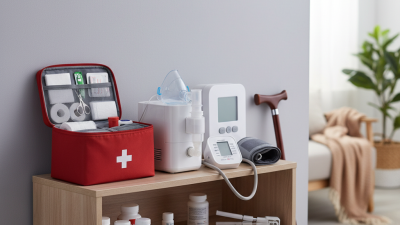
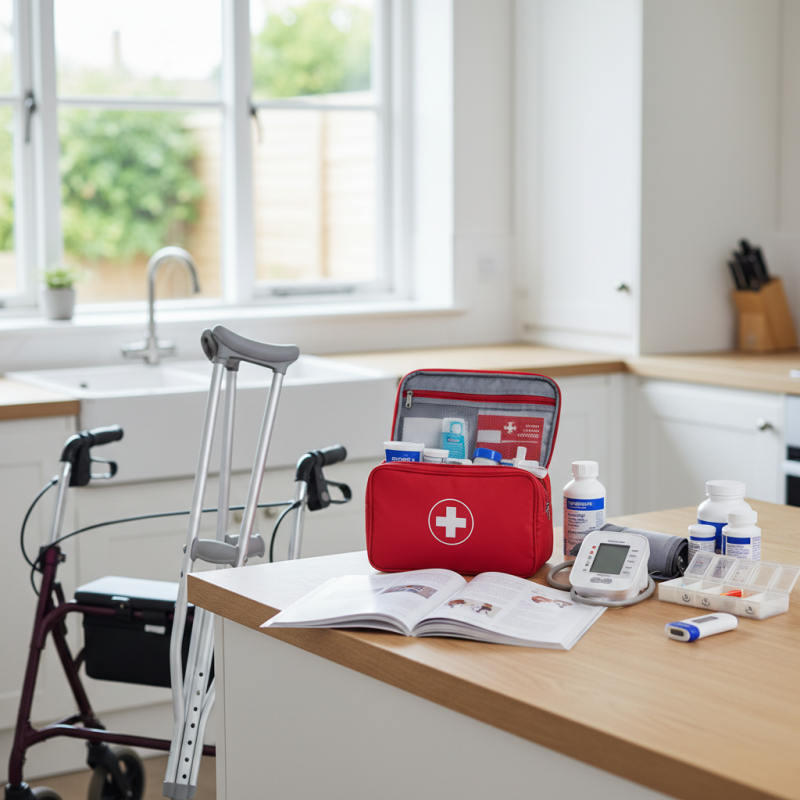
When it comes to home care, having essential first aid supplies is crucial. A well-stocked first aid kit can make a significant difference in emergencies. Basic items like adhesive bandages and antiseptic wipes should always be included. These can help treat cuts and scrapes promptly. Moreover, having gauze pads and adhesive tape is vital for more extensive wounds.
It's easy to overlook the importance of additional items, like a digital thermometer, which can help monitor fevers. Be sure to have over-the-counter pain relievers stored safely away from children. A pair of scissors and tweezers are often forgotten but can be lifesavers in specific situations. Check the kit regularly to replace expired medications and supplies.
First aid education is as important as having supplies. Many people are unsure how to respond in emergencies. Basic training can empower individuals to act confidently. Remember, no first aid kit can cover every situation, and it’s okay not to have all the answers immediately. Reflecting on past experiences can help improve preparedness for future incidents.
Durable Mobility Aids for Enhanced Independence at Home
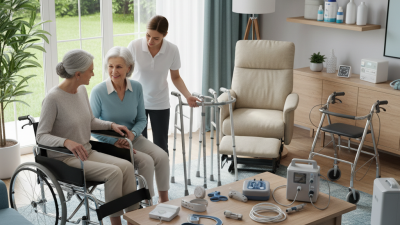
Living independently at home is crucial for many individuals, especially those with mobility challenges. Durable mobility aids can significantly enhance this independence. According to the National Council on Aging, nearly 30% of older adults experience falls each year. Proper mobility aids can help mitigate this risk. Assisting with balance and support, these products range from walkers to modified chairs and can improve users' quality of life.
Research indicates that nearly 80% of older adults prefer to age in place. Mobility aids play a vital role in achieving this goal. They can empower users, providing confidence in daily activities. Personalized aids, such as adjustable walkers and canes, can cater to individual needs. Studies show that about 60% of users feel more secure at home with the appropriate mobility aid. This illustrates the profound impact on mental well-being, as users feel less anxious and more capable of navigating their living spaces.
However, not all mobility aids are created equal. Some may not offer the necessary support or comfort. It's important for users to consult healthcare professionals when choosing these aids. Evaluating personal needs and potential challenges can lead to better outcomes. Mobility aids should be compatible with a home’s layout and the user’s lifestyle. This ensures safety and promotes a genuinely independent living experience.
Vital Monitoring Equipment to Track Health Conditions
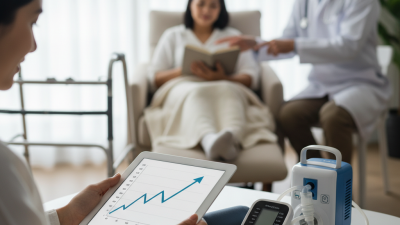
When it comes to monitoring health at home, having the right equipment is essential. According to a report by the World Health Organization (WHO), over 50% of adults manage chronic conditions. Vital monitoring devices help track these issues effectively. Regularly using equipment like blood pressure monitors, glucose meters, and pulse oximeters can lead to better health outcomes.
Using these devices can sometimes feel overwhelming. Remember to read instructions carefully. Improper use can yield inaccurate results. For blood pressure monitors, ensure that the cuff fits properly on your arm. A loose cuff can mislead readings, leading to unnecessary stress. Proper calibration is crucial for glucose meters to ensure precise tracking.
One notable statistic reveals that 90% of patients feel more confident in their treatment when actively monitoring their health. This empowerment can motivate better lifestyle choices. Incorporating monitoring into daily routines can create a sense of control. Set reminders for regular checks—consistency is key. Being proactive about health can really change the outcome of chronic conditions. Investing time in understanding your equipment can make all the difference.
Top Home Medical Supply Essentials for Every Household Need
| Item |
Description |
Purpose |
Recommended Frequency of Use |
| Digital Thermometer |
A non-contact thermometer for measuring body temperature. |
To quickly check for fever or monitor temperature changes. |
As needed for illness or when symptoms arise. |
| Blood Pressure Monitor |
An automatic cuff that measures blood pressure. |
To track blood pressure levels, especially for those with hypertension. |
Weekly or as recommended by a healthcare provider. |
| Pulse Oximeter |
A small device that clips onto a fingertip to measure oxygen saturation. |
To monitor respiratory conditions and oxygen levels. |
As required for lung conditions or during illness. |
| Nebulizer |
A device that delivers medication in mist form for respiratory issues. |
For treating asthma, COPD, and other respiratory conditions. |
As prescribed by a healthcare provider. |
| Glucose Monitor |
A device to measure blood sugar levels in diabetics. |
To help manage diabetes through regular blood glucose monitoring. |
Multiple times a day as needed. |
Personal Hygiene Products for Daily Wellness and Care
Personal hygiene is critical for daily wellness. It impacts
physical and mental health. According to a 2023 report by the
Global Hygiene Council, maintaining personal cleanliness reduces infection
rates by up to 30%. This statistic highlights the importance of proper hygiene
supplies in every household.
Having essential hygiene products readily available makes self-care easier. Items like
hand sanitizers, disinfectant wipes, and antibacterial soap should be staples. Each of these contributes
significantly to preventing the spread of germs. A study published in the Journal of Hospital Infection
found that regular use of hand hygiene products can lower hospital-acquired infections by over 50%.
Emphasizing hygiene also helps build healthy habits. Regular handwashing, using gentle body cleansers, and
maintaining oral health are crucial. However, many people overlook these practices. Reports show that only
65% of adults wash their hands after using the restroom. This reminder is
vital for creating a safer living environment. Investing in personal hygiene products is not just a choice but
a necessity for comprehensive health care.
Effective Pain Management Solutions for Home Use
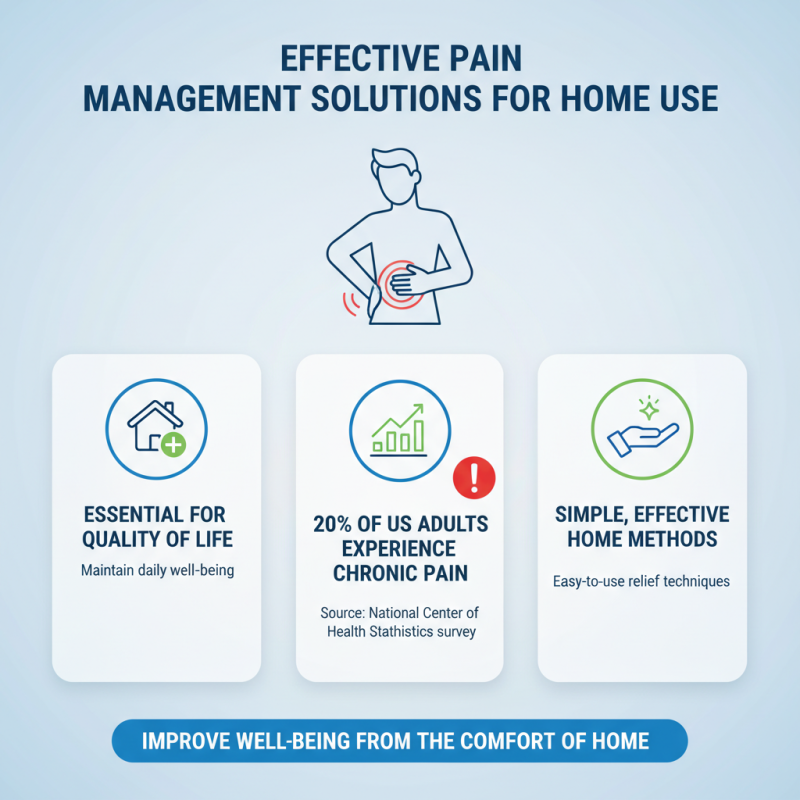
Effective pain management at home is essential for maintaining a good quality of life. According to a survey by the National Center for Health Statistics, approximately 20% of U.S. adults experience chronic pain. This data underscores the need for effective solutions. Many households can benefit from simple yet effective methods for pain relief.
One popular method involves over-the-counter medications like NSAIDs. These can reduce inflammation and provide relief from mild to moderate pain. Heat and cold therapy are also effective. Applying a heating pad can relieve muscle tension, while ice packs reduce swelling. A study by the American Physical Therapy Association highlights the significance of these methods in managing acute pain.
Physical therapy tools, such as resistance bands and foam rollers, can enhance recovery. They allow individuals to engage in safe exercise routines at home. It’s essential, however, to use these tools with caution. Improper use can lead to further injury. Balancing between activity and rest remains crucial in managing pain. Understanding personal limits can help in creating a sustainable recovery plan.