CALL TODAY for FREE In home consultation
SEND EMAIL
1995 East Norse Avenue
Cudahy, Wisconsin 53110
414-727-2524
4445 W Forest Home Avenue
Milwaukee, Wisconsin 53219
414-727-2525
2140 American Drive
Neenah, Wisconsin 54956
920-257-6060
65 Copeland Avenue
La Crosse, Wisconsin 54603
608-784-9980
As global healthcare needs evolve in 2026, home medical supply buyers need more than attractive prices. They need products that support safe, practical, and dignified care at home. A reliable selection may include wound dressings, disposable gloves, digital thermometers, blood pressure monitors, mobility aids, and daily living accessories. Each item should have clear instructions, traceable manufacturing information, and packaging suitable for international transport.
Small details matter. A blood pressure monitor should fit the user’s arm correctly and provide readable results. A walking aid should offer stable grips and adjustable height. Sterile dressings require sealed packaging, intact labels, and suitable storage conditions. These details can prevent avoidable mistakes. They also help caregivers work with greater confidence.
Global buyers should review supplier experience, quality management practices, product testing, and after-sales support before placing large orders. Regulatory requirements differ by destination, so local authorities and qualified healthcare professionals should guide final decisions. Certifications can support trust, but they should never replace careful verification. That point is easy to overlook.
This guide examines leading home medical supply categories for 2026, with attention to usability, durability, documentation, and responsible sourcing. It also recognizes an uncomfortable reality: no product list fits every household. A low-cost item may become expensive if it fails early, lacks replacement parts, or confuses users. Thoughtful purchasing requires evidence, realistic needs assessment, and a willingness to question convenient claims. Safety comes first. Practicality matters too.
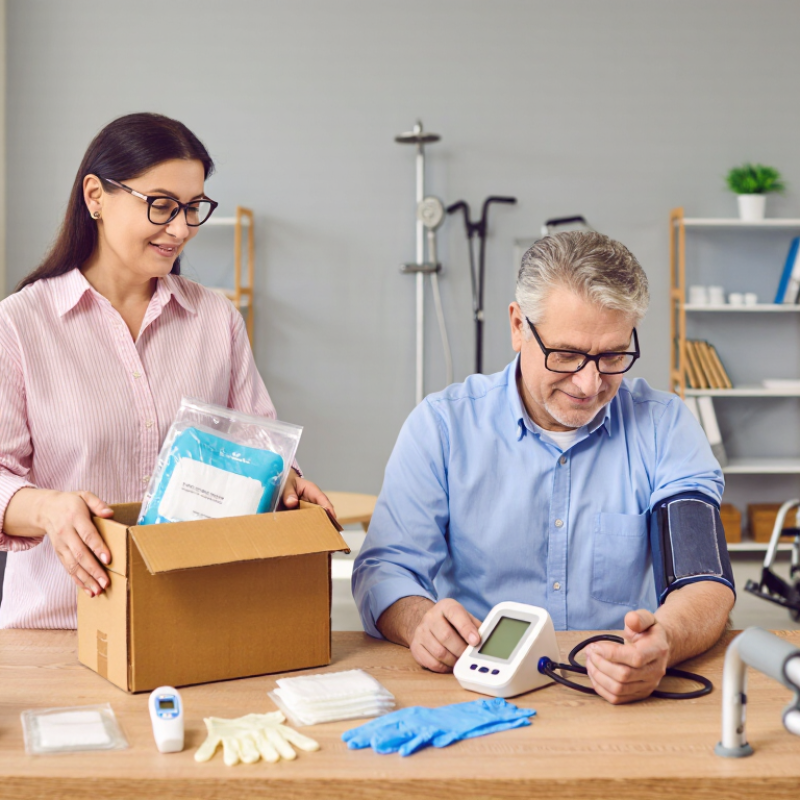
Home medical supplies are practical products used outside hospitals, often at a bedside, bathroom, or kitchen table. They include blood-pressure monitors, wound dressings, mobility aids, incontinence products, and selected respiratory equipment. Their purpose is not simply convenience. They support monitoring, daily care, recovery, and safer independence at home.
Demand is expanding for clear demographic reasons. The UN World Population Prospects 2022 projects that people aged 65 and older will reach one in six globally by 2050. The WHO and UNICEF Global Report on Assistive Technology 2022 estimates that more than 2.5 billion people need at least one assistive product, while nearly one billion cannot access one. These figures explain why global buyers need dependable supplies, especially for chronic conditions, rehabilitation, and post-discharge care. A reliable blood-pressure device can turn a vague symptom into a documented reading. Small details matter.
International purchasing requires more than comparing prices. Buyers should verify intended use, measurement accuracy, cleaning instructions, packaging integrity, shelf life, and local regulatory requirements. Product documentation should be understandable to caregivers, not only clinicians. Storage conditions also matter; dressings exposed to heat or humidity may become unusable. A low-cost item can create hidden expenses through returns, training, or unsafe misuse. The category itself is not perfectly defined across countries, so buyers must match each product with clinical guidance and local rules. WHO data provides direction, but it does not replace professional assessment.
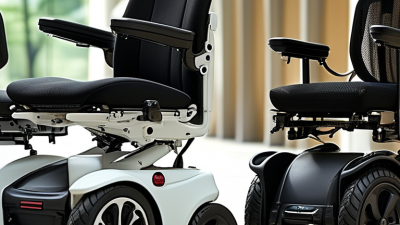
Home medical supplies are becoming more practical, connected, and user-focused. The main categories include mobility aids, respiratory equipment, patient monitors, wound-care products, and daily-living supports. Mobility supplies may include walking frames, transfer benches, and adjustable supports for safer movement at home. Respiratory categories often cover oxygen accessories, nebulizer equipment, and replacement filters, but users should follow professional guidance carefully.
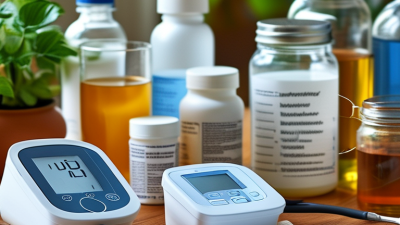
Home monitoring is also expanding. Digital thermometers, blood-pressure monitors, pulse oximeters, and glucose-testing tools can help families record useful information between appointments. Accuracy matters more than attractive features. A readable display and simple instructions may prevent mistakes. Wound-care supplies should provide clean dressings, skin protection, and secure storage. Small details matter here. However, home monitoring cannot replace clinical assessment, especially when readings appear unusual or symptoms worsen.
Tips: Match each product to the user’s mobility, vision, strength, and living space. Check measurements before ordering, including bed height and doorway width. Review cleaning instructions and replacement schedules. Choose supplies with clear labeling and traceable safety information. Ask a qualified healthcare professional when fitting, dosage, or ongoing treatment is involved. I have found that “easy to use” is not always easy for every household. Rechecking the setup after one week is sensible, because real daily use can reveal problems that specifications miss.
Choosing home medical supplies requires more than comparing prices. A reliable buyer checks materials, performance, labeling, and traceability. Examine sealed packaging, clear instructions, lot numbers, expiration dates, and importer details. A blood pressure monitor should include cuff-size guidance and readable results. A wound dressing should show sterile status and storage conditions. Small details matter.
Safety depends on the user’s real environment. Check battery protection, alarm volume, cleaning requirements, and accessible controls. Products for older adults should reduce slipping, confusion, and unnecessary force. Ask whether replacement parts are available. Also confirm that instructions explain warnings in plain language. Technical wording can hide important risks.
Regulatory compliance varies by destination. Review the product’s intended use and confirm the required registration, conformity assessment, or market authorization in each target country. Check whether the manufacturer maintains a quality management system, such as ISO 13485, when relevant. Request test reports, declarations, and post-market support records. Documents can be incomplete. That deserves attention. A missing certificate does not automatically prove danger, but it should stop rushed purchasing. Independent testing may reveal problems that attractive packaging conceals. Even experienced buyers can overlook local language rules or disposal instructions. Recheck those points before shipment.
Global buyers need more than a low unit price when sourcing home medical supplies in 2026. Product quality, documentation, and shipping reliability can affect patient safety and business continuity. In my sourcing experience, clear specifications prevent expensive misunderstandings. State dimensions, materials, packaging, intended use, and required certifications before requesting quotations. Ask suppliers whether their documents match the destination market’s medical device rules. Samples matter. Inspect seals, instructions, measurement accuracy, and packaging strength before placing a large order.
Shipping requires practical planning. Choose packaging that protects products from moisture, crushing, and temperature changes. Request carton dimensions, gross weight, pallet details, and estimated transit times. Temperature-sensitive items may need controlled transport, verified handling, and suitable monitoring records. Import duties, customs classifications, labeling languages, and local registration requirements also deserve review. A cheap shipment can become costly after storage fees or border delays. Some suppliers provide estimates that feel too optimistic.
Supplier selection should combine factory capability with transparent communication. Review audit reports, quality certificates, production capacity, complaint procedures, and traceability records. Ask for recent inspection evidence rather than polished promises. Factories with clear answers are easier to manage. Yet, documentation alone is not proof of consistent performance. One weakness remains common: buyers sometimes test one sample and assume every batch will match. Do not. Use written quality agreements, pre-shipment inspections, and small trial orders. Keep records of approvals, changes, and delivery problems. That discipline supports safer purchasing, even when the process feels slower.
Home care is becoming more connected, preventive, and personalized. The World Health Organization reports that over 2.5 billion people need assistive products worldwide. That figure may exceed 3.5 billion by 2050. Global buyers are therefore seeking practical supplies for aging, disability, recovery, and chronic disease management.
Connected blood-pressure monitors, pulse oximeters, glucose meters, and fall-detection devices are gaining attention. Grand View Research valued the global home healthcare market at USD 390.24 billion in 2023. It projects an 8.7% compound annual growth rate from 2024 to 2030.
Buyers now expect secure data sharing, simple interfaces, and compatibility with remote clinical services. Fancy dashboards are not enough. A device must work in a small apartment with unstable internet.
Sustainability is also influencing procurement. Reusable components, recyclable packaging, rechargeable batteries, and repairable designs can reduce household waste. Yet environmental claims require evidence, not attractive wording. Product testing, local certification, clear instructions, and dependable after-sales support remain essential across borders.
In my view, suppliers still underestimate training. An older user may need large labels, tactile buttons, and a short demonstration. That detail can matter more than another digital feature.
1995 E Norse Ave
Cudahy, WI 53110
Phone: 414-486-6249
Fax: 414-486-5728