
What Are the 2026 Top Self Heating Eye Masks for Global Buyers?
Global buyers are entering a more demanding Self-Heating Eye Mask market in 2026. Comfort alone is no longer enough. Shoppers now examine heating duration, temperature consistency, fragrance safety, material softness, packaging quality, and transport requirements. A mask that feels soothing for ten minutes may disappoint during longer nighttime use. Small details matter.
Dr. Michael Breus, a board-certified sleep specialist, says, “The best temperature for sleep is between 60 and 67 degrees Fahrenheit.” His point highlights an important issue: warmth should feel gentle, not excessive. The best Self-Heating Eye Mask products should provide controlled heat around the eyes without creating pressure, moisture, or irritation. Buyers should also check whether the mask uses air-activated warming, rechargeable power, or disposable components. Each option changes cost, shelf life, and shipping practicality.
Some claims remain difficult to compare. “Deep relaxation” sounds attractive, but it is not a universal result. Individual comfort varies. That matters.
This 2026 guide evaluates leading self-heating eye masks through a global buyer’s lens. It considers user experience, product construction, heating performance, ingredient transparency, safety documentation, and regional purchasing needs. Certifications and testing records should be verified, not assumed. A polished package cannot replace reliable evidence. The strongest products may not be the most heavily advertised. They are the ones that deliver steady warmth, comfortable wear, and clear information without overpromising.
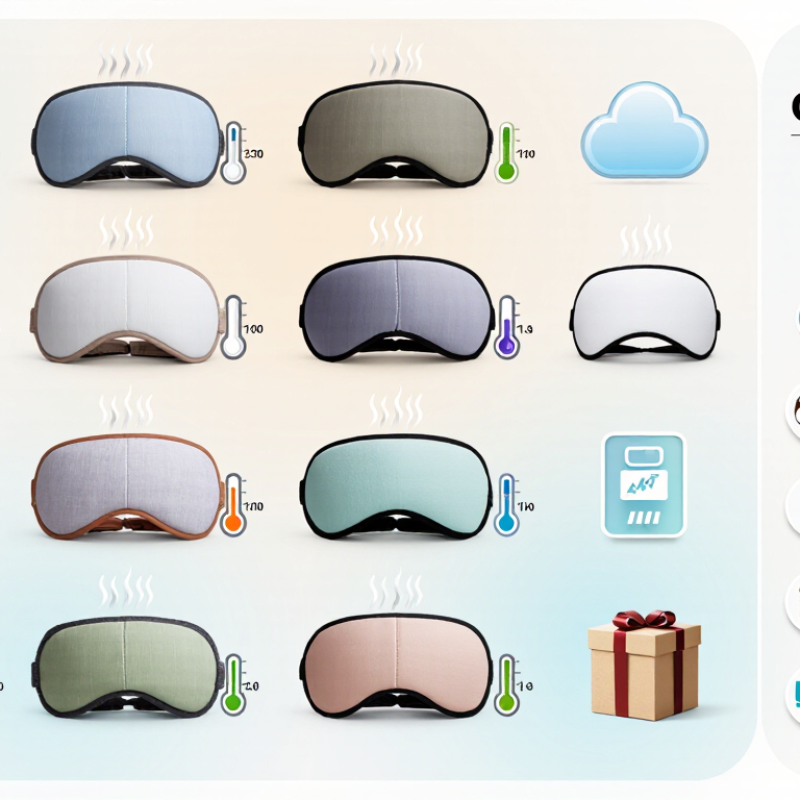
What Are Self-Heating Eye Masks and How Do They Work?
Self-heating eye masks are soft coverings that create gentle warmth around closed eyes. They do not require batteries, charging, or a power cable. Most single-use versions contain iron powder, activated carbon, salt, and moisture. When the inner pouch meets oxygen, a controlled oxidation reaction begins. This reaction releases heat gradually. The warmth can feel like a small, dry towel resting over the eyelids.
Some reusable designs use a sealed gel or mineral-based heating layer. They work differently and may need warming before use. In practical product evaluation, temperature consistency matters more than intense heat. A comfortable mask should warm evenly, without sharp hot spots or strong odor. It should also fit lightly around the nose and cheeks. Too much pressure can make relaxation difficult.
Global buyers should check clear instructions, material disclosures, batch traceability, and independent safety testing. Packaging should explain the expected warming time and disposal method in understandable language. Check the seal.
Avoid use on irritated skin, during sleep, or with contact lenses unless the instructions allow it. People with eye conditions should ask a qualified healthcare professional. I once assumed a hotter mask would work better. That assumption was wrong; comfort and stable temperature matter more. Product claims also deserve scrutiny, especially when they promise medical results.
| Product Type | Heating Mechanism | Typical Operating Temperature | Typical Heat Duration | Power or Activation | Primary Advantages | Main Limitations | Portability | Best Use Case | Buyer Suitability |
|---|---|---|---|---|---|---|---|---|---|
| Single-use oxygen-activated mask | Iron powder reacts with oxygen after the package is opened, producing gentle exothermic heat. | Approximately 38–42°C, depending on product design and ambient conditions. | Usually about 20–40 minutes. | Self-activates when removed from its sealed pouch; no battery or charging is required. | Simple operation, hygienic individual packaging, quiet use, and convenient travel format. | Generally disposable; heat output cannot be adjusted; opened packs should not be reused. | Excellent; lightweight and suitable for handbags, travel kits, and hotel use. | Short relaxation breaks, flights, commuting, and hospitality amenity kits. | ★★★★★ |
| Single-use scented oxygen-activated mask | Uses the same oxygen-activated heating reaction, with a fragrance incorporated into the mask or internal layer. | Approximately 38–42°C. | Usually about 20–40 minutes. | Self-activates after opening the airtight pouch. | Adds a sensory experience and can support a relaxation-oriented product position. | Fragrance may irritate sensitive users; scent preference varies by market; still generates packaging waste. | Excellent. | Wellness gift sets, spa programs, and relaxation-focused retail channels. | ★★★★☆ |
| USB or rechargeable electric eye mask | Electrical heating elements generate controlled heat through a rechargeable battery or USB power source. | Commonly adjustable, often around 35–45°C; exact settings vary by model. | Typically about 15–60 minutes per session, depending on battery capacity and heat setting. | Rechargeable battery, USB cable, or external power supply. | Reusable, adjustable heat, and potentially lower long-term waste than single-use formats. | Requires charging; may be heavier; electronic components increase compliance, warranty, and transport considerations. | Good, but less convenient than disposable formats. | Frequent home users seeking repeat sessions and adjustable temperature control. | ★★★★☆ |
| Reusable microwave-heated eye mask | A gel, grain, or other heat-retaining insert is warmed in a microwave before use. | Highly dependent on heating time, material, and microwave power; temperature should be checked before application. | Usually about 10–30 minutes, depending on insulation and filling. | Microwave heating; not chemically self-heating. | Reusable, low electronic complexity, and suitable for home wellness routines. | Not suitable for air travel as a ready-to-use product; uneven heating or overheating is possible if instructions are ignored. | Moderate. | Home users with microwave access and preference for reusable products. | ★★★☆☆ |
| Reusable hot-and-cold gel eye mask | A gel insert stores thermal energy after warming or cooling; it does not generate heat independently. | Varies according to preparation method and storage conditions. | Usually about 10–20 minutes per session. | Warm-water bath, microwave, or refrigerator/freezer, according to the instructions. | Dual-purpose hot and cold use, reusable construction, and broad household availability. | Requires preparation; cold storage may be needed; temperature consistency is lower than in controlled electric designs. | Moderate. | Home care routines where both warming and cooling functions are valued. | ★★★☆☆ |
| Adjustable electric eye mask with timer | Integrated heating elements are managed by electronic temperature and time controls. | Often adjustable within approximately 35–45°C; confirm the actual range before purchase. | Commonly 15–30 minutes per programmed cycle. | Rechargeable battery or USB power with automatic shut-off. | More precise session control, reusable design, and automatic shut-off can improve convenience. | Higher purchase price, more parts that may require service, and compatibility requirements for chargers. | Good. | Premium wellness devices, professional settings, and frequent repeat use. | ★★★★☆ |
| Important safety note: Temperature and duration figures are typical industry ranges rather than specifications for a particular product. Buyers should verify the supplier’s instructions, material safety documentation, electrical certifications where applicable, fragrance disclosures, automatic shut-off function, and warnings for sensitive skin or reduced heat sensitivity. | |||||||||
| How self-heating eye masks work: The most common disposable format contains iron powder, salt, water, activated carbon, and a carrier material. When the sealed pouch is opened, oxygen enters and the iron gradually oxidizes. This exothermic reaction releases heat. The mask should be used only as directed and should not be cut open, microwaved, or placed directly on damaged skin. | |||||||||