How to Choose the Best Walking Umbrella in 2026?
Choosing a Walking Umbrella in 2026 is less about finding the largest canopy and more about matching its design to your daily routes. A compact train commute, a long neighborhood walk, and a windy coastal path place different demands on an umbrella. Weight, folded length, handle comfort, and opening style can matter as much as coverage. Small details matter.
Start with the weather you actually encounter. A wider canopy can protect your shoulders and bag, but it may feel awkward on crowded sidewalks. A lighter frame is easier to carry, though it may not feel as steady in strong gusts. No single design suits every walk. Fabric labels and frame materials offer useful clues, but they do not guarantee performance in every storm. Treat bold durability claims with care, and compare product specifications with independent testing when available.
This guide explains how to weigh those trade-offs without relying on one feature or marketing phrase. You will find practical points to check, including canopy dimensions, frame construction, grip, strap, and storage sleeve. Consider testing the handle in your hand if you can; small discomforts become noticeable after several blocks. Also think about how the umbrella fits beside a coat, backpack, or grocery bag. The best choice is not always the most expensive or strongest-looking. It should open smoothly, feel balanced, and suit the weather and walking habits you can describe honestly. A little uncertainty is normal. Use the criteria ahead to make a measured, informed choice.
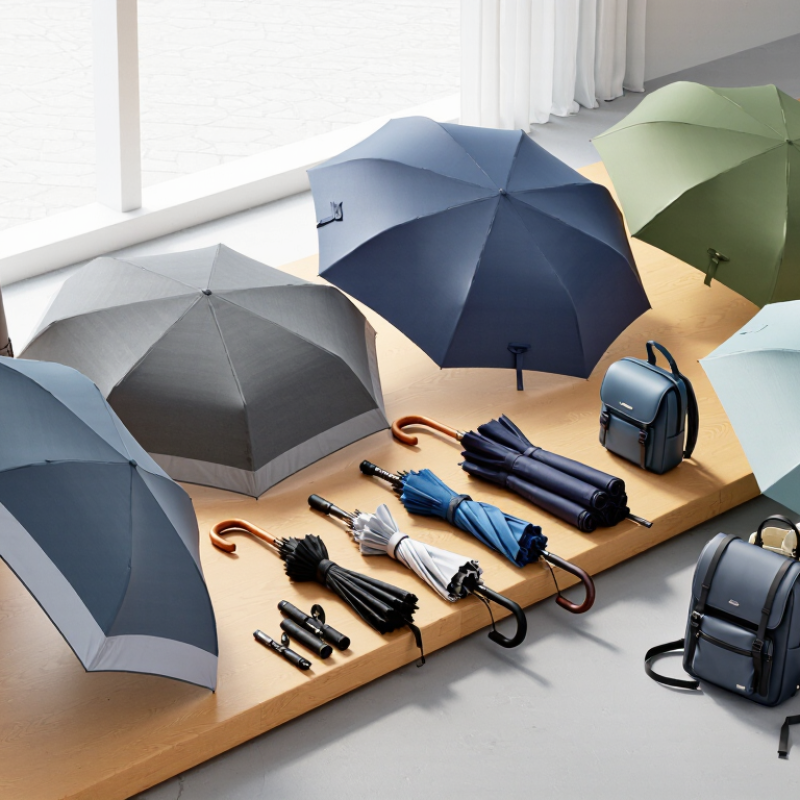
Define Your Walking Umbrella Needs and Typical Weather Conditions
Define the job before comparing canopy size. A daily walk through crowded streets calls for a compact, easy-grip umbrella; exposed sidewalks and long dog walks may justify a wider canopy. Consider the route, not just the forecast. Will you carry it on a bus, hold it for twenty minutes, or tuck it into a work bag? NOAA’s 1991–2020 U.S. Climate Normals use 30 years of observations and report monthly precipitation measures. Check the normals for your area, including rainy-day frequency, rather than relying on a national average. A wet month can still have many dry afternoons.
Wind matters, too. The National Weather Service forecast can help you check expected gusts, especially on open bridges or coastal paths. Match your choice to the weather you actually encounter: frequent showers favor quick deployment and a comfortable handle, while gusty routes call for a sturdy frame and a secure grip. No umbrella makes strong gusts feel pleasant. Think about wet hands, gloves, and how easily the canopy opens when you are carrying groceries. A detail people often overlook. I would not choose by canopy diameter alone; a large canopy may catch more wind and feel awkward in a packed crowd. Test the folded length and opening action, if possible. A small compromise here can matter on every walk.
Compare Canopy Size, Coverage, and Opening Mechanisms
How to Choose the Best Walking Umbrella in 2026?
Compare Canopy Size, Coverage, and Opening Mechanisms
Canopy size is more than a number on a product label. Check whether the listed measurement describes the canopy’s arc or its straight-line width; these figures are not interchangeable. A wider canopy can shelter a backpack or a second person, but it may feel awkward on a crowded sidewalk. For everyday walking, compare the open diameter with your shoulder width, then consider the umbrella’s weight and folded length. A large canopy that stays in the closet is not much help.
Opening style matters when one hand is occupied. An automatic-open button is handy beside a bus stop, while automatic-close models can be easier to fold before entering a car. Manual designs have fewer moving parts, though they require both hands. No mechanism makes an umbrella windproof. The World Meteorological Organization’s Beaufort scale classifies 39–49 km/h winds as a strong breeze; at those speeds, holding a canopy steady can be difficult. That is a useful caution, not a promise that any umbrella will withstand those gusts.
Tips: Open it indoors only if you have room. Measure the canopy, not just the handle. Try the button with one hand, and check how neatly the wet fabric wraps around the shaft. I still think shoppers often underestimate that last detail.
How to Choose the Best Walking Umbrella in 2026?
Compare representative canopy sizes, estimated coverage, and opening mechanisms.
How to read this chart: A wider canopy generally covers more area, while an automatic opening mechanism can make deployment quicker. Choose a size that balances coverage with weight and ease of carrying.
Coverage figures are approximate circular projections calculated from the representative canopy diameters shown; real coverage varies with canopy shape, construction, and wind angle. Size classes and mechanisms are illustrative, not product-specific.
Evaluate Handle Comfort, Weight, and Carrying Features
A walking umbrella should feel comfortable after several blocks, not just during a quick shop-floor test. Hold the handle with a relaxed grip and check whether its shape presses into your palm. A curved handle can hook over a wrist or chair, while a straight handle may feel steadier during a longer walk. Neither style suits everyone. Try it indoors.
Weight matters more than a product label suggests when you carry an umbrella alongside a work bag. Compare its feel in your hand, and consider how far you usually walk between shelter and your destination. A few extra ounces may be worthwhile if the frame feels balanced, but a heavy umbrella can become irritating on a daily commute. That trade-off is easy to underestimate.
Look at how it closes and where it goes when folded. A secure strap keeps wet panels from opening inside a tote, and a sleeve can protect nearby papers or clothing. Check that the folded length fits your usual bag, not just the largest one at home. If you often carry groceries, a wrist loop may help, though it can snag on other items. Small details matter. Try the handle with gloves, too; a comfortable grip in warm weather may feel awkward on a cold, damp morning.
Check Safety Features, Warranty, and Overall Value
When choosing a walking umbrella in 2026, look beyond canopy size and wind claims. Check that the shaft locks securely and the runner opens without catching your fingers. A rounded, sturdy tip can feel safer on crowded sidewalks, while a comfortable handle should stay steady when your hands are damp. If you walk near traffic at dusk, reflective details may help you stand out. Small details matter.
Tips: Open and close the umbrella several times in a shop. Check the latch, handle grip, and balance. If it feels awkward indoors, it may feel worse on a long walk. A heavier frame can seem reassuring, but it may tire your wrist.
Read the warranty before comparing prices. Check how long coverage lasts, what counts as a frame or mechanism defect, and whether shipping costs fall to you. Damage from strong gusts may not be covered, so avoid assuming “windproof” means indestructible. A common buying mistake is paying extra for features you rarely use. Compare the total value: dependable construction, useful safety details, replaceable parts, and clear support. The cheapest option can still be the better choice, though I would not ignore a stiff latch just to save a little.
