CALL TODAY for FREE In home consultation
SEND EMAIL
1995 East Norse Avenue
Cudahy, Wisconsin 53110
414-727-2524
4445 W Forest Home Avenue
Milwaukee, Wisconsin 53219
414-727-2525
2140 American Drive
Neenah, Wisconsin 54956
920-257-6060
65 Copeland Avenue
La Crosse, Wisconsin 54603
608-784-9980
Why Choose a Carpet Steam Cleaner for Deep Cleaning? The answer begins beneath the visible surface. Everyday vacuuming removes loose crumbs and dust, but it cannot reach sticky residues, embedded soil, or tracked-in allergens. A Carpet Steam Cleaner uses heated water, cleaning solution, agitation, and powerful extraction to loosen and remove these deeper contaminants.
Jeff Cross, a respected carpet-cleaning educator and industry trainer, explains, “Heat, moisture, and extraction must work together.” That principle matters in real homes. A cleaner must control water flow, use suitable pressure, and remove moisture efficiently. Otherwise, the carpet may feel clean while remaining damp underneath. That can create unpleasant odors and encourage microbial growth.
The best results begin with inspection. Fiber type, dye stability, carpet age, and backing condition all influence the cleaning method. Wool, for example, may need gentler treatment than durable synthetic nylon. A professional also pre-vacuums corners, tests an unseen area, and selects a compatible detergent. Small details matter.
Steam cleaning is not magic.
Over-wetting remains a common mistake. So does choosing the strongest chemical without reading the label. I have also found that “deep cleaning” can be overstated when drying receives little attention. Proper ventilation, air movement, and careful extraction complete the process.
A reliable Carpet Steam Cleaner should improve appearance, reduce trapped soil, and support healthier indoor maintenance. It should not promise perfection. Instead, it should provide measurable cleaning performance, responsible moisture control, and results that remain convincing after the carpet fully dries.
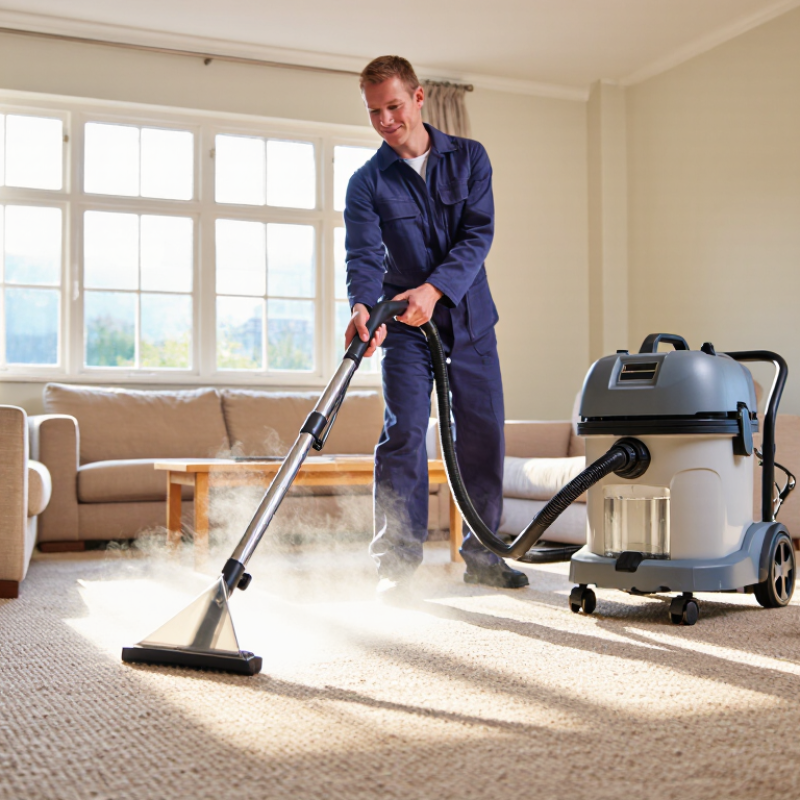
A carpet steam cleaner is a machine designed to loosen dirt from carpet fibers using heated water. Many models spray warm water and cleaning solution, then extract the moisture with strong suction. Strictly speaking, some machines produce little true steam. The term “steam cleaner” often describes hot-water extraction equipment instead.
It matters. During hands-on carpet cleaning, a common surprise is how much dirty water the machine removes. Fine dust, pet residue, and tracked-in soil can hide beneath the surface. Heated water helps soften these deposits, while suction pulls them into a recovery tank. The carpet may feel cleaner and look brighter after drying.
Care Not every carpet responds well. Natural fibers, delicate dyes, or glued backing can react badly to excessive heat or moisture. Check the care label before cleaning. Test a hidden area first, and avoid soaking the carpet. Slow passes usually improve extraction, but repeated passes can leave fibers too wet. Good ventilation and open windows help drying.
The process is not foolproof. A machine may miss oily stains without suitable pretreatment, and strong suction cannot repair worn fibers. I would rather make two careful passes than flood one area. That approach takes longer, yet it reduces the risk of odors, dye transfer, and extended drying.
Why Choose a Carpet Steam Cleaner for Deep Cleaning?
How Steam Cleaning Removes Deep-Seated Carpet Dirt
A carpet steam cleaner uses heated water, agitation, and strong extraction to reach embedded soil. Heat loosens oily residue trapped around carpet fibers. Moisture then carries dust, crumbs, and dried spills toward the surface. The machine removes this dirty water instead of simply spreading it around. In busy homes, this process can refresh flattened paths near doors and sofas.
From hands-on cleaning, I have learned that more heat is not always better. Excess moisture may soak the backing and create a musty smell. A careful operator checks the carpet label, tests a hidden corner, and chooses the right water temperature. Slow, overlapping passes work better than rushing across the room. Stubborn marks may need gentle pre-treatment before extraction. Steam cleaning is powerful, but it cannot repair bleach damage or permanently crushed fibers.
Tips: Vacuum slowly before steaming, especially along edges and under furniture. Treat fresh spills quickly with a clean white cloth. Avoid rubbing, which can push dirt deeper. Open windows or use fans afterward. The carpet should feel slightly damp, never wet enough to leave footprints. When stains remain, repeating the same treatment may worsen them, so inspect the fibers before trying again.
Steam cleaning, also called hot-water extraction, reaches deeper than routine vacuuming. It loosens oily soil, food residue, and dust trapped near the carpet backing. The Carpet and Rug Institute identifies hot-water extraction as a preferred professional cleaning method. That guidance supports steam’s practical value, especially in busy homes with pets or children.
Indoor air quality matters too. The U.S. Environmental Protection Agency reports that indoor pollutant levels can be two to five times higher than outdoor levels. Dirty carpets may hold particles that later return to the room through foot traffic. Steam does not solve every air-quality problem, but removing embedded soil can reduce one neglected source. In my experience, the strongest results appear when technicians control water temperature, pressure, and drying time. More steam is not always better. Excess moisture can create lingering odors or support microbial growth.
Tips: Vacuum slowly before steaming, especially along edges and under furniture. Test a hidden area first. Follow the carpet manufacturer’s care instructions. Keep windows open or use fans after cleaning. A carpet that feels dry on top may remain damp underneath, so patience matters. I have found that rushing this final stage is an easy mistake, even when the cleaning itself looks excellent. IICRC S100 guidance also emphasizes proper extraction and complete drying for safer, more consistent results.
| Cleaning Dimension | Steam or Hot-Water Extraction | Key Benefit | Practical Consideration |
|---|---|---|---|
| Cleaning Process | Heated water and cleaning solution are applied to the carpet, then extracted with strong vacuum suction. | Reaches soil held below the carpet surface instead of cleaning only the visible fibers. | The equipment should be operated according to the carpet and machine manufacturer’s instructions. |
| Typical Water Temperature | Many hot-water extraction systems operate with solution temperatures commonly around 120–200°F (49–93°C), depending on the equipment and setting. | Heat helps loosen oily residues and embedded soils. | Temperature must be suitable for the carpet fiber, dye, backing, and installation. |
| Deep Soil Removal | Combines agitation, heated solution, and vacuum extraction to remove particles from carpet piles. | Provides a deeper clean than routine vacuuming alone. | Heavily soiled areas may need pre-treatment, agitation, or more than one cleaning pass. |
| Allergen and Particle Reduction | Moisture suspends fine particles, while vacuum extraction removes the contaminated solution from the carpet. | Can reduce dust, pollen, and other particles trapped in carpet when performed thoroughly. | It does not replace ventilation, regular vacuuming, or professional treatment of severe indoor-air-quality problems. |
| Stain Treatment | Heat, water, and extraction can help release many food, beverage, and tracked-in soil stains. | Improves the appearance of high-traffic areas and common water-soluble stains. | Permanent dye stains, bleach marks, rust, and fiber damage may not be removable. |
| Odor Control | Extracts odor-causing residues when the source is located in the carpet and treated correctly. | Can provide more effective odor reduction than masking odors with fragrance. | Pet urine, mold, and subfloor odors may require specialized remediation beyond surface carpet cleaning. |
| Chemical Residue | Most systems use a measured amount of cleaning solution followed by water extraction. | Thorough rinsing can help reduce leftover detergent compared with methods that leave products behind. | Excess solution or insufficient extraction can contribute to sticky residue and rapid re-soiling. |
| Drying Time | Carpet commonly requires several hours to dry; airflow, humidity, fiber type, and extraction efficiency affect the result. | Powerful suction and good ventilation can shorten the time before normal use. | Avoid walking on damp carpet when possible and do not replace furniture until the area is sufficiently dry. |
| Frequency of Use | A practical schedule is often every 6–12 months in average-use homes, with more frequent cleaning for high-traffic or pet areas. | Helps maintain appearance and manage accumulated soil over time. | Regular vacuuming remains necessary between deep-cleaning sessions. |
| Carpet Compatibility | Often suitable for many synthetic carpets when cleaned correctly. | Offers a versatile deep-cleaning option for common residential carpet types. | Natural fibers, delicate constructions, loose seams, and water-sensitive backings may require specialist cleaning. |
Note: In carpet care, the term “steam cleaning” commonly refers to hot-water extraction. Actual performance varies with equipment, carpet construction, soil level, cleaning technique, temperature, airflow, and drying conditions.
Why Choose a Carpet Steam Cleaner for Deep Cleaning?
Choosing the right carpet steam cleaner starts with the carpet itself. Wool, nylon, and polyester can react differently to heat and moisture. Check the care label before selecting a machine. It matters.
Look for adjustable water temperature and suction strength. Hot water can loosen oily soil, while strong suction removes more moisture. A cleaner with separate clean and dirty tanks also prevents recycled water from reaching the carpet. Measure your storage space too. Some powerful units are surprisingly bulky.
For thick carpets, choose a model with a rotating brush and steady water pressure. For delicate rugs, lower heat and gentler agitation are safer. A narrow tool helps clean stairs, corners, and the area beneath furniture. I once underestimated drying time after using too much water. The carpet felt clean but stayed damp overnight. Good airflow, open windows, and slow cleaning passes make a real difference.
Noise level deserves attention. A loud machine may discourage regular cleaning. Check the cord length, hose reach, filter access, and replacement-part availability. Read reviews from users with similar carpet types, not only those praising maximum power. Test a hidden area first, because even careful choices can produce unexpected color changes.
A carpet steam cleaner, more accurately called a hot-water extraction cleaner, helps flush dissolved soil from carpet fibers and remove moisture through suction. Drying time depends strongly on ventilation, carpet thickness, humidity, and extraction performance. When choosing a model, prioritize strong water recovery, adjustable cleaning settings, suitable tank capacity, and easy handling.
A carpet steam cleaner lifts embedded dust, skin flakes, and sticky residue from carpet fibers. Its heated water loosens grime more effectively than surface wiping alone. In practical cleaning work, I have found that slow preparation prevents most problems.
Move lightweight furniture away from the area. Vacuum slowly, especially along edges and beneath tables. Check the carpet care label before adding water or cleaning solution. Test a hidden patch first. Never skip this step.
Fill the tank with clean water and use only the recommended amount of solution. Too much detergent can leave a dull, sticky film. Begin at the farthest corner and work toward the doorway. Keep each pass steady, with overlapping strokes.
Make extra dry passes after spraying. The carpet should feel damp, not soaked. Avoid forcing water into seams, loose edges, or damaged backing. I once rushed the drying stage, and a faint musty smell appeared later.
Open windows when weather permits, and use fans to improve airflow. Keep children and pets away until the carpet is fully dry. Drying may take several hours, depending on humidity and carpet thickness.
Inspect the surface under bright light after cleaning. If a mark remains, avoid repeated aggressive scrubbing. It may need professional assessment, especially when caused by dye, rust, or old moisture damage. Small missed areas are easy to overlook. Check them carefully.
1995 E Norse Ave
Cudahy, WI 53110
Phone: 414-486-6249
Fax: 414-486-5728