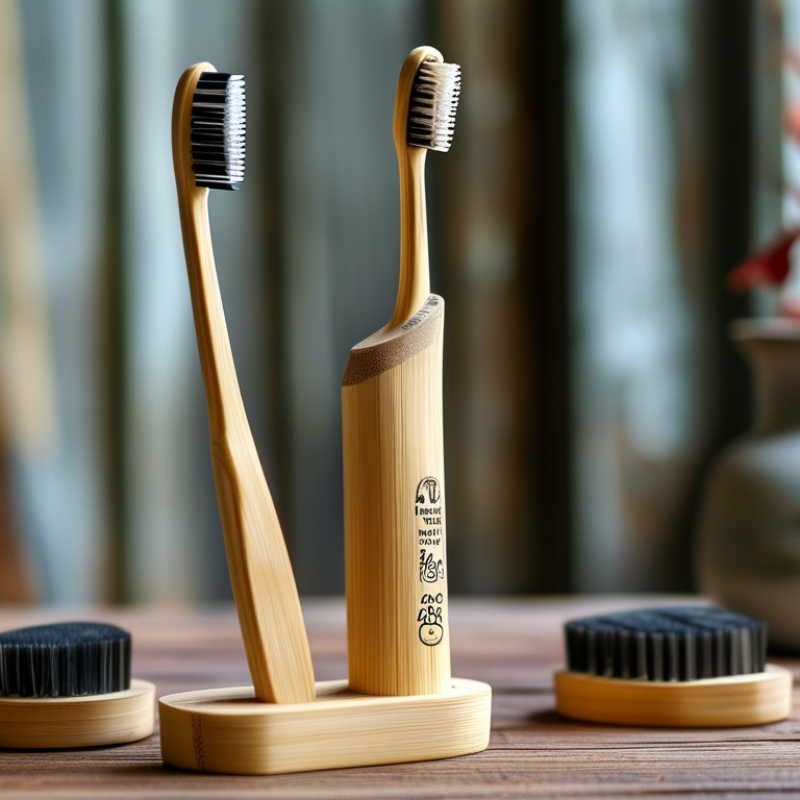
2026 Best Bamboo Toothbrush Suppliers for Global Buyers

Choosing the right Bamboo Toothbrush supplier requires more than comparing prices on a spreadsheet. Global buyers must examine material quality, production consistency, packaging, certifications, and delivery performance. A polished product photo cannot reveal moisture damage, uneven bristles, or weak carton protection.

Noel Abdayem, founder of The Humble Co., has said, “Sustainability should be simple and accessible.” That principle remains practical for international procurement. A dependable supplier should explain the bamboo species, drying process, handle coating, bristle material, and factory quality controls. Buyers should also request samples before approving large orders. Hold them in hand. Check the surface, grip, smell, and bristle firmness.

The best suppliers usually provide clear specifications, transparent minimum order quantities, stable lead times, and responsive communication. They may support private labeling, recyclable packaging, and custom carton dimensions. However, “eco-friendly” claims still require careful review. Bamboo handles do not automatically make a product fully sustainable, especially when packaging uses excessive plastic or bristles lack suitable disposal guidance.

This guide to the 2026 Best Bamboo Toothbrush Suppliers for Global Buyers evaluates suppliers through an evidence-based lens. It considers manufacturing experience, export capability, product safety, customization, pricing structure, and after-sales support. Certifications matter, but they should match the actual product and market. Some supplier pages look impressive. Their documentation may be less convincing.

That gap deserves attention. A responsible buyer should compare claims with samples, test reports, factory records, and customer references. The shortlist below is designed to support informed decisions, not quick promises. Mistakes remain possible, particularly when market data changes. Careful verification is still essential.

2026 Best Bamboo Toothbrush Suppliers for Global Buyers

Global Bamboo Toothbrush Market Outlook: 2026 Forecasts by Grand View Research

The global bamboo toothbrush market is gaining attention as buyers seek lower-plastic personal-care products.

Grand View Research projects strong growth through 2030, with an estimated compound annual growth rate of about 8%. Its analysis highlights sustainability awareness, online retail expansion, and changing consumer preferences as key market drivers.

For 2026 sourcing, buyers should evaluate more than bamboo handles.

Check bristle material, moisture resistance, packaging composition, factory capacity, and batch consistency.

ISO 9001 certification can support quality control, while FSC-related documentation may help verify responsible bamboo sourcing. However, certification claims require careful checking.

A supplier’s certificate may cover the raw material, not the finished toothbrush. That distinction matters.

Tips: Request samples from at least three suppliers.

Test handle smoothness, bristle retention, odor, and packaging strength. Ask for recent laboratory reports and production photographs.

Grand View Research provides useful market direction, but forecasts are not guarantees. Freight costs, harvest conditions, and regional purchasing habits can change quickly.

I would also avoid judging suppliers by the lowest quotation alone. Cheap packaging or unstable bristles can create higher replacement costs later.

Keep specifications written and measurable. Terms like “eco-friendly” remain too vague without evidence.

Bamboo Materials and Bristles: ISO 20126 Toothbrush Quality Requirements

For global buyers in 2026, bamboo toothbrush quality starts with controlled materials, not attractive packaging. ISO 20126 provides general requirements and test methods for manual toothbrushes. It does not certify a supplier or prove that every bamboo handle is sustainable.

Bamboo handles should be mature, dry, smooth, and free from cracks, sharp edges, and loose fibers. Moisture control matters. Poorly dried bamboo may warp during storage or transport. A suitable surface finish can reduce water absorption, but suppliers should disclose its composition and testing evidence. Ask for batch records, dimensional checks, and traceability documents.

The bristles need equal attention. They should remain securely anchored during normal brushing and have consistent diameter, length, and softness. Rounded filament ends can reduce rough contact with gums. Suppliers should provide ISO 20126 test reports from competent laboratories, including relevant checks for tuft retention, handle strength, and resistance to repeated use. Inspect samples yourself, too. Reports can be accurate, yet a production batch may still vary.

Small details reveal manufacturing discipline. Check ten brushes from different cartons, not one perfect sample. Look for uneven tufts, bamboo splinters, loose bristles, and unpleasant odors. A practical weakness remains: natural bamboo is less uniform than molded plastic. That variation requires tighter incoming inspection and clearer acceptance limits. No inspection is flawless. A supplier willing to discuss defects openly is often more reliable than one promising perfection.

2026 Best Bamboo Toothbrush Suppliers for Global Buyers - Bamboo Materials and Bristles: ISO 20126 Toothbrush Quality Requirements
Qualification Dimension Preferred Material or Requirement Relevant Technical Data Evidence Global Buyers Should Request ISO 20126 Relevance Procurement Risk and Buyer Note
Bamboo Species Moso bamboo is a commonly used industrial bamboo species for toothbrush handles. Scientific name: Phyllostachys edulis. The supplier should disclose the actual species rather than using only the term “natural bamboo.” Species declaration, raw-material specification, country or region of origin, and batch traceability documents. Material prerequisite
ISO 20126 addresses manual toothbrush quality; it does not approve a specific bamboo species.
Species substitution can change density, machining behavior, color, and moisture performance.
Handle Construction Solid bamboo or laminated bamboo with a smooth, stable surface and no sharp edges, splinters, or exposed fiber defects. Handle geometry, grip profile, head dimensions, neck thickness, surface finish, and tolerances should be defined on the approved drawing. Technical drawing, approved golden sample, dimensional inspection report, and pre-shipment inspection records. General product quality
Handle safety and construction should be assessed within the applicable ISO 20126 test program.
Natural variation in color and grain is normal; dimensional variation and splintering should not be accepted.
Moisture Control Conditioned and dried bamboo suitable for repeated bathroom exposure. Moisture content must be defined by contract and verified using a calibrated moisture meter. The target should be validated against the supplier’s process and destination climate. Moisture-control procedure, calibration records, batch test results, and storage-condition statement. Durability support
Moisture control helps reduce cracking, warping, and microbial-growth risk but is not itself an ISO 20126 certification.
Do not treat one universal moisture percentage as suitable for every bamboo species, coating, or climate.
Surface Finish Water-resistant coating or finish that is suitable for an oral-care handle and properly cured. Finish type, coating layers, curing conditions, abrasion resistance, odor, and surface adhesion should be specified. Coating technical data sheet, safety documentation, migration or chemical-safety assessment where required, and finish inspection report. Safety and usability
Surface condition should not create sharp edges, loose particles, or defects during intended use.
“Natural,” “non-toxic,” and “food-grade” are not sufficient claims without supporting documentation and market-specific review.
Bristle Material Common options include nylon 6, nylon 6/6.12, PBT, or verified bio-based nylon. Bristle material, diameter, filament profile, stiffness category, colorant, cut profile, and filament supplier should be declared. Material declaration, filament technical data sheet, batch certificate, and colorant or additive compliance documents. Core test area
Bristle performance and construction should be evaluated using the relevant ISO 20126 requirements and test methods.
Bio-based nylon is not automatically biodegradable. Buyers should distinguish bio-based content from end-of-life claims.
Bristle End-Rounding Filaments should have a controlled, smooth end profile appropriate for oral use. End-rounding percentage, filament inspection method, microscope or image-analysis method, and sampling plan should be defined. Independent laboratory report or in-house test report using a documented method, plus retained production samples. Directly relevant
Filament finishing and safety are important elements of manual toothbrush quality assessment under ISO 20126.
Do not accept only a supplier declaration; request test conditions, sample quantity, images, and acceptance criteria.
Tuft Retention Tufts should remain securely fixed during normal brushing and the applicable mechanical test. Anchoring method, tuft count, hole diameter, tuft height, packing density, and pull-out test results should be recorded. Tuft-retention test report, production-line inspection records, and periodic third-party verification. Directly relevant
Tuft security is a key manual toothbrush performance requirement addressed by ISO 20126 test methods.
Changes in filament diameter, anchor wire, drilling depth, or adhesive can affect retention even when the appearance is unchanged.
Bristle Stiffness Soft, medium, or other stiffness classification should be selected for the target market and product positioning. Filament diameter, material, length, taper, cross-section, and tuft density all influence perceived stiffness. Stiffness test method, laboratory report, approved reference sample, and production consistency records. Performance validation
Performance should be verified through the relevant toothbrush test program rather than inferred from filament diameter alone.
“Soft” is not a globally uniform technical value; define the test method and reference sample in the purchase specification.
Head and Handle Safety No sharp corners, burrs, splinters, loose components, or exposed fastening materials under normal use. Visual inspection, dimensional checks, edge and surface inspection, and simulated-use evaluation should be included in quality control. Pre-production sample approval, inspection checklist, corrective-action procedure, and batch release records. Directly relevant
General construction and safety characteristics should be checked against ISO 20126 requirements.
Natural bamboo grain should not be used to excuse splintering, cracking, or unstable finishing.
Adhesives and Components Adhesives, anchor materials, paint, ink, and decorative elements should be declared and controlled. Component list, adhesive type, curing conditions, restricted-substance controls, and supplier change-notification process. Safety data sheets, technical data sheets, restricted-substance declaration, and change-control records. Supporting control
ISO 20126 testing evaluates the finished toothbrush; component control helps maintain finished-product consistency.
Adhesive failure may cause loose tufts or handle separation. A “plastic-free” claim should not be made if synthetic binders or coatings remain.
Packaging and Moisture Protection Packaging should protect the toothbrush from humidity, contamination, crushing, and transit abrasion. Packaging material, ventilation, inner-barrier design, carton strength, pallet configuration, and storage limits should be defined. Packaging specification, transit test results, carton inspection report, and warehouse-condition instructions. Product preservation
Packaging is not a substitute for toothbrush conformity testing, but it protects tested characteristics during distribution.
Paper packaging can reduce plastic use, but it may need moisture-resistant design for ocean freight and humid warehouses.
Quality Management A documented quality system with incoming inspection, in-process controls, final inspection, and corrective action. Key records should cover lot coding, sampling plans, nonconformance handling, calibration, and retained samples. Quality manual, audit report, inspection plan, calibration certificates, and sample traceability. Supplier capability
ISO 20126 is a product standard; an ISO 9001 certificate, if provided, is evidence of a management system and not product certification.
Verify the certificate scope, issuing body, validity, and manufacturing site rather than accepting an unverified logo.
ISO 20126 Documentation Finished manual toothbrushes should be evaluated against the current applicable edition of ISO 20126 and the buyer’s technical specification. Test scope should identify the product model, sample quantity, test methods, results, laboratory, date, and acceptance criteria. Complete test report, laboratory credentials, product drawings, sample identification, and declaration of conformity where applicable. Primary framework
ISO 20126:2019 is titled “Dentistry — Manual toothbrushes — General requirements and test methods.”
ISO 20126 does not mean the toothbrush is automatically certified, sustainable, compostable, or compliant with every destination-market regulation.
Environmental Claims Environmental statements should describe the actual handle, bristles, coatings, adhesives, packaging, and disposal route. Separate claims for bamboo content, recycled content, bio-based bristles, plastic reduction, recyclability, and compostability. Chain-of-custody documents where claimed, material declarations, laboratory evidence, and market-specific claim substantiation. Not an ISO 20126 requirement
Environmental claims require separate substantiation.
A bamboo handle does not make the complete toothbrush biodegradable or compostable when nylon, PBT, coatings, inks, or adhesives are present.
Global Buyer Due Diligence Use a written product specification, approved sample, independent testing, and shipment-level inspection. Recommended controls include supplier audit, first-article approval, lot traceability, AQL-based inspection, and annual requalification. Signed specification, purchase-order quality clauses, inspection plan, test reports, corrective-action records, and change-notification agreement. Best-practice control
Combines ISO 20126 product testing with practical supply-chain quality management.
Re-test after changes to bamboo source, coating, bristle filament, tufting process, packaging, or manufacturing location.
Buyer reference: ISO 20126:2019 provides general requirements and test methods for manual toothbrushes. It does not rank suppliers, certify bamboo sourcing, or guarantee environmental claims. Buyers should validate the finished product, manufacturing site, materials, test reports, and destination-market requirements before placing a commercial order.

Leading Supplier Regions, Factory Capacity, and Export Data in 2026

Choosing the best bamboo toothbrush supplier in 2026 requires more than comparing unit prices. China remains a major production base, especially in Zhejiang, Guangdong, and Jiangsu. These regions offer automated trimming, drilling, packaging, and private-label services. Vietnam and Indonesia are also gaining attention for bamboo processing and regional export access. India serves smaller and mid-sized buyers, although factory consistency can vary.

Factory capacity should be checked through production records, not catalog claims. A medium facility may produce 100,000 to 500,000 toothbrushes monthly, while larger plants can exceed one million. Ask for machine lists, shift schedules, inspection reports, and recent shipping documents. Export data should be reviewed by destination, product code, and shipment frequency. However, customs classifications can mix bamboo handles with other brush products. This makes raw data imperfect.

Tips: Request a 2026 production plan, sample cartons, and a video audit of the packing line. Compare moisture testing, bristle fixing, carton strength, and lead times. Do not rely on one export figure. Some suppliers report capacity, but actual output may be much lower during peak seasons. A small factory can still perform well, yet it may struggle with sudden volume increases. Verify everything.

MOQ, Pricing, Certifications, and Lead Times for Global Buyers

2026 Best Bamboo Toothbrush Suppliers for Global Buyers

MOQ, Pricing, Certifications, and Lead Times for Global Buyers

Global buyers should compare more than the lowest quoted price. Standard bamboo toothbrush orders often begin at 500 to 5,000 units. Custom handles, printed packaging, or special bristles may require 1,000 to 10,000 units. Request a full quotation with product cost, packaging, tooling, inspection, and shipping listed separately. Ask for landed cost. A typical factory price may range from $0.25 to $1.20 per unit, depending on materials, customization, and order volume. Cheap quotes can hide weak packaging or inconsistent bristle trimming.

Certification documents need careful checking. Look for valid FSC documentation when certified bamboo sourcing is claimed. ISO 9001 can indicate a structured quality system, but it does not prove every toothbrush is safe or durable. Ask for material declarations, chemical test reports, and batch inspection records suited to the destination market. Documents should show the supplier’s legal entity, testing date, product details, and issuing laboratory. Do not accept cropped certificates.

Sample production commonly takes 7 to 15 days. Bulk production may require 25 to 45 days after approval and deposit. Busy seasons can add two weeks. Confirm whether lead time starts after artwork approval or payment. I have seen buyers overlook this detail. It caused avoidable delays. Request pre-shipment photos, random inspection results, and carton measurements before booking freight. Wooden products can absorb moisture, so sealed cartons and dry storage deserve attention. Suppliers that answer clearly, share traceable records, and admit production limits are usually easier to manage.

FSC, BSCI, and EU Packaging Rules for Sustainable Supplier Selection

For global buyers sourcing bamboo toothbrushes in 2026, sustainable selection requires more than a green product photo. FSC documentation should match the actual bamboo source and certified supply chain. Ask for the certificate number, scope, expiry date, and transaction evidence. A logo alone proves little.

BSCI can help assess working hours, wages, health, safety, and worker treatment. However, a BSCI audit is not a universal sustainability certificate. Check the audit date, factory address, corrective actions, and unresolved findings. During supplier reviews, request production records and recent workplace photos. A supplier may pass one audit and still drift later. That risk deserves attention.

EU packaging rules also affect toothbrush imports. Packaging should use fewer materials and support practical recycling systems. Review the paper sleeve, inner box, shipping carton, inks, adhesives, and plastic film separately. Ask whether packaging data supports extended producer responsibility reporting in each target market. Confirm required labels and recycling information before mass production. Rules and national guidance can change, so obtain current advice from an EU compliance specialist. Do not accept vague claims such as “fully sustainable.” Request material specifications, laboratory evidence, and written declarations instead. A small packaging change, such as replacing a plastic window, may improve recyclability but reduce product visibility. That trade-off should be tested, not assumed.

ACCESS ABILITY Home Medical Store has a Beautiful showroom in Cudahy To Serve You!

Corporate Office And Store
Cudahy, Wisconsin

1995 E Norse Ave
Cudahy, WI 53110
Phone: 414-486-6249
Fax: 414-486-5728