7 Tips for Buying Adhesive Nose Strips

Buying Adhesive Nose Strips can seem simple. Choose a pack, peel the backing, and place one across the nose. Yet small differences affect comfort, grip, and usefulness. Skin type, strip shape, adhesive strength, and breathing needs all deserve attention.

Dr. Christopher Winter, a sleep-medicine specialist, explains, “Nasal strips may improve airflow, but they do not treat every cause of congestion.” That distinction matters. Adhesive Nose Strips gently lift the sides of the nose. They may make breathing feel easier during exercise or sleep. They cannot cure allergies, infections, or structural nasal problems.

This guide presents seven practical tips for making a more informed purchase. It examines material quality, sizing, skin sensitivity, packaging, and realistic performance. You will also learn why a strong adhesive is not always better. A strip that stays firmly attached may still irritate delicate skin.

Check the fit first.

A strip should sit across the bridge without pulling painfully. Clean, dry skin usually gives the adhesive a better hold. Oils, moisturizers, and sweat can reduce contact. I have found that rushed application often causes early peeling, especially near the edges.

Some product claims sound impressive. They still need careful judgment. A cheaper package may offer value, but poor adhesive can waste several strips. Likewise, a premium design may not suit every nose shape. The best choice depends on comfort, intended use, and your own skin response.

If breathing problems continue, consult a qualified healthcare professional. Adhesive Nose Strips are supportive products, not medical replacements. This guide helps you shop thoughtfully, while leaving room to question exaggerated promises.
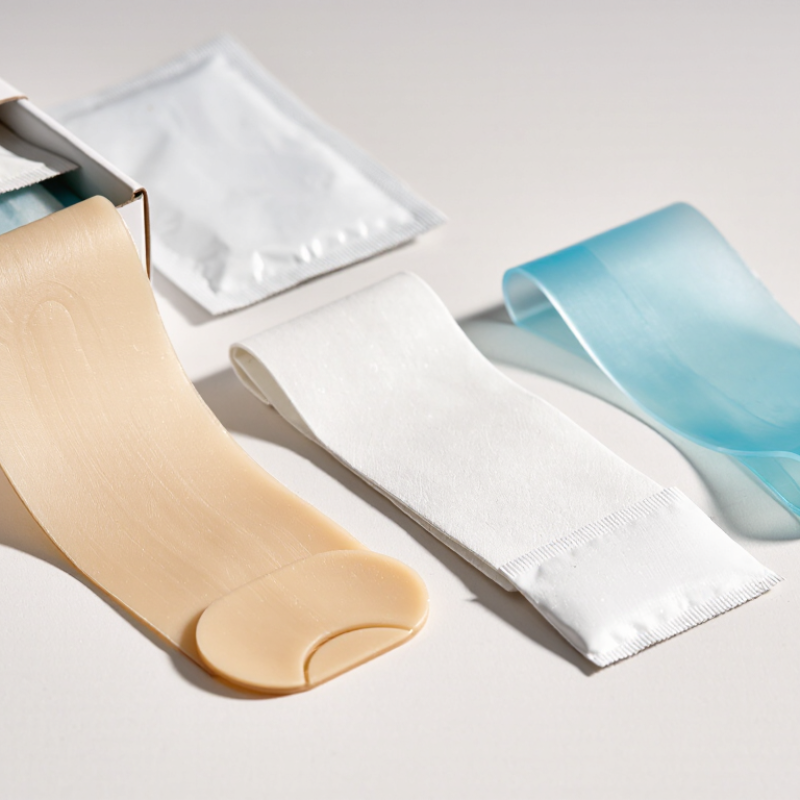
7 Tips for Buying Adhesive Nose Strips

Identify Your Breathing Needs and Choose the Right Nose Strip Type

Buying a nose strip starts with identifying your breathing problem. Nasal strips gently lift the outer nasal walls, but they do not remove swelling deep inside the nose. A 2023 American Academy of Otolaryngology report links nasal blockage with allergies, congestion, structural narrowing, and enlarged tissues. The cause matters.

Notice when breathing becomes difficult. Is one nostril consistently blocked? Does congestion worsen at night? Do you wake with a dry mouth, loud snoring, or morning headaches? Choose a wider external strip for sidewall collapse, and consider a softer design for sensitive skin. Fit matters. Apply it to clean, dry skin above the nostril flare, never across broken skin.

Evidence also requires restraint. A Cochrane review of 14 small studies found insufficient evidence that mechanical nasal aids improve sleep-disordered breathing or reduce apnea events. They may make airflow feel easier, but they are not substitutes for medical assessment. Do not guess when symptoms persist. A clinician can distinguish ordinary congestion from a deviated septum or possible sleep apnea. I would not treat one comfortable night as proof that the strip solved the problem. Check skin redness after removal, and stop using the product if irritation, bleeding, or worsening congestion appears.

(source: Cochrane Database of Systematic Reviews, “Mechanical aids for nasal obstruction in sleep-disordered breathing,” 2016; American Academy of Otolaryngology clinical information on nasal obstruction)

Check the Size, Shape, Materials, and Adhesive Quality

7 Tips for Buying Adhesive Nose Strips

A comfortable nose strip starts with the right size. Measure the bridge of your nose, then compare it with the product dimensions. A strip that is too narrow may not support the full nasal area. One that is too wide can press against the cheeks. Check the shape, too. Curved designs usually follow the nose better than flat ones. The center should sit across the bridge, not over the nostrils.

Material affects comfort and daily wear. Look for flexible backing that bends without sharp edges. Breathable materials may feel less sweaty during exercise or sleep. If your skin reacts easily, choose a strip labeled for sensitive skin. Fragrance-free adhesive can also reduce unnecessary irritation. Still, “gentle” is not a guarantee. Read the full ingredient information.

Adhesive quality matters more than strong wording on the package. It should stay attached without pulling painfully during removal. Before wearing one overnight, test a strip on clean, dry skin for a short period. I once skipped this step and regretted it. The strip stayed firmly attached, but my skin looked red afterward. Remove it slowly, following the package directions. Avoid applying strips over cuts, rashes, or freshly moisturized skin. Check the expiration date and storage instructions. Small details matter.

7 Tips for Buying Adhesive Nose Strips - Check the Size, Shape, Materials, and Adhesive Quality

Tip What to Check Practical Reference Why It Matters Buyer Action
1. Choose the Right Size Compare the strip length and width with the area across the nose where it will be applied. Many adult strips are approximately 55–70 mm long and 15–25 mm wide. Children’s versions are usually smaller. A strip that is too short may not cover the intended area, while one that is too large may irritate the cheeks or lift at the edges. Measure the intended application area and check the product dimensions instead of relying only on labels such as “small” or “large.”
2. Match the Nose Shape Look for a flexible strip with a wider center and tapered or rounded ends. A gently curved profile is generally easier to position across the bridge and sides of the nose. The correct contour helps the strip stay in contact without excessive wrinkling or edge lift. Select a shape that follows the natural curve of the nose and avoid designs that extend onto the delicate under-eye area.
3. Examine the Materials Review the backing, spring element, adhesive layer, and skin-contact surface. Common construction materials include nonwoven fabric or film backing, a flexible polymer or plastic spring, and a pressure-sensitive adhesive. Material choice affects flexibility, comfort, moisture resistance, and how easily the strip can be removed. Prefer clearly listed materials and avoid products containing ingredients known to trigger your personal sensitivities.
4. Assess Adhesive Quality Check whether the adhesive is designed for skin contact and whether it is described as hypoallergenic or irritation-tested. A suitable adhesive should hold on clean, dry skin during normal use but release without aggressive pulling. Weak adhesion causes premature lifting; excessive adhesion can increase redness, discomfort, or residue. Check user instructions, patch-test on a small area when appropriate, and stop use if burning, swelling, or persistent redness occurs.
5. Consider Breathability and Comfort Look for a lightweight backing, smooth edges, and a surface that does not trap excessive sweat. Perforated or breathable backings may improve comfort during warm conditions, although breathability does not guarantee suitability for every skin type. Reduced heat and moisture buildup can help limit discomfort and edge lifting. Choose a soft, lightweight design for overnight use and avoid rough edges or rigid materials that press into the skin.
6. Verify Application and Removal Guidance Read the recommended application time, skin-preparation steps, and removal instructions. Nose strips are typically applied to clean, dry skin without moisturizer, oil, or heavy skincare beneath the adhesive. Oil and moisture can reduce adhesion, while incorrect removal may cause unnecessary skin pulling. Remove slowly from the edges, following the package directions, and do not apply over broken, irritated, sunburned, or inflamed skin.
7. Check Packaging and Storage Review the quantity, individual wrapping, expiration or lot information, and storage instructions. Individually sealed strips help limit exposure to air, dust, and moisture before use. Proper packaging helps preserve adhesive performance and supports cleaner application. Choose intact packaging, store strips in a cool, dry place, and discard any strip with damaged wrapping or dried adhesive.

Note: Dimensions and material constructions vary by product. Adhesive nose strips are external accessories and are not a substitute for medical evaluation or treatment of breathing problems.

Review Skin Safety, Allergens, and Product Certifications

7 Tips for Buying Adhesive Nose Strips

Skin safety should guide your purchase more than a dramatic airflow claim. Check whether the strip lists its adhesive materials, backing, and any added fragrance. Common concerns include latex, rosin-derived adhesives, acrylates, and unnecessary perfumes. A short ingredient list is not automatically safer, but missing details deserve caution. Look for a clear batch number, expiry date, usage instructions, and manufacturer contact information.

Patch test first. Apply a small piece to clean, dry skin near your arm, then wait 24 hours. Do not use a strip on cuts, rashes, sunburn, or recently exfoliated skin. Remove it slowly after loosening the edge with warm water. Stop immediately if you notice burning, swelling, persistent redness, or itching. Sensitive skin needs patience. I sometimes underestimate removal stress, especially after sweating, so gentle handling matters.

Product certifications require careful reading. Choose marks issued by recognized bodies for your sales region, and verify what each mark actually covers. An ISO quality certificate may describe manufacturing systems, not prove that every user will avoid irritation. Regulatory registration also does not guarantee personal suitability. Be skeptical of “hypoallergenic” claims without supporting test information. Packaging can look convincing. It is not evidence alone. Compare the claims with the instructions, material disclosure, and independent testing details when available. A transparent product may still irritate you, but vague labeling makes informed buying much harder.

Apply the Adhesive Nose Strip Correctly for Better Results

A good adhesive nose strip can work poorly when applied to oily or damp skin. Wash the nose with mild cleanser, rinse well, and pat it completely dry. Avoid moisturizer, sunscreen, or facial oil on the application area. Check the package for skin-safe materials, suitable size, and clear removal instructions. Hypoallergenic adhesive may help, but it cannot prevent every reaction.

Apply the strip across the bridge of your nose, not too close to the eyes or nostrils. Keep the center aligned with the highest part of the bridge. Press from the middle outward, then hold each edge for several seconds. Firm contact matters. The strip should feel secure, not painfully tight. If it lifts at one corner, remove it and try again with a fresh strip rather than pressing it repeatedly.

Be careful with removal. Soften the adhesive with warm water, then peel slowly from both ends toward the center. Pulling quickly can irritate the skin. I once applied a strip after exercising, and sweat loosened it within minutes. That was my mistake. Stop using the product if you notice burning, swelling, or a persistent rash. These strips may support a more open nasal feeling, but they do not treat every cause of blocked breathing. People with ongoing congestion should ask a qualified healthcare professional for advice.

7 Tips for Buying Adhesive Nose Strips

Apply the adhesive nose strip correctly for better results

The chart presents a practical application sequence using typical preparation and pressing times. Clean, completely dry skin is important because oil and moisture can reduce adhesion. Place the strip across the nasal bridge, press both ends firmly, and follow the product instructions for wearing and removal. Timing may vary by product and skin type.

Compare Comfort, Effectiveness, Price, and User Reviews

When buying adhesive nose strips, compare comfort before chasing dramatic claims. The adhesive should hold firmly without pulling the skin. Choose a flexible strip that matches your nose width. Apply it to clean, dry skin, never over moisturizer. Test one strip during a quiet evening first. Redness, itching, or painful removal means the product is not suitable.

Effectiveness is more complicated. A PubMed-indexed systematic review found that nasal dilators can improve perceived nasal airflow, but they do not consistently reduce sleep-apnea indicators. That distinction matters. A strip may make a blocked nose feel more open, yet it cannot replace medical assessment for loud snoring, gasping, or daytime fatigue. My practical test is simple: compare breathing comfort over several nights, not one unusually good night. Results can be imperfect.

Price needs a closer look. Calculate the cost per strip, including trial packs and shipping. A lower box price may hide weaker adhesive or wasted strips. Read recent user reviews, prioritizing repeated comments about peeling, skin reactions, and sleep comfort. Verified reviews are useful, but they remain personal experiences. Look for patterns across different skin types and nose shapes. Compare transparent evidence, comfort, effectiveness, price, and reviews together. No single score tells the whole story.

ACCESS ABILITY Home Medical Store has a Beautiful showroom in Cudahy To Serve You!

Corporate Office And Store
Cudahy, Wisconsin

1995 E Norse Ave
Cudahy, WI 53110
Phone: 414-486-6249
Fax: 414-486-5728